
Introduction
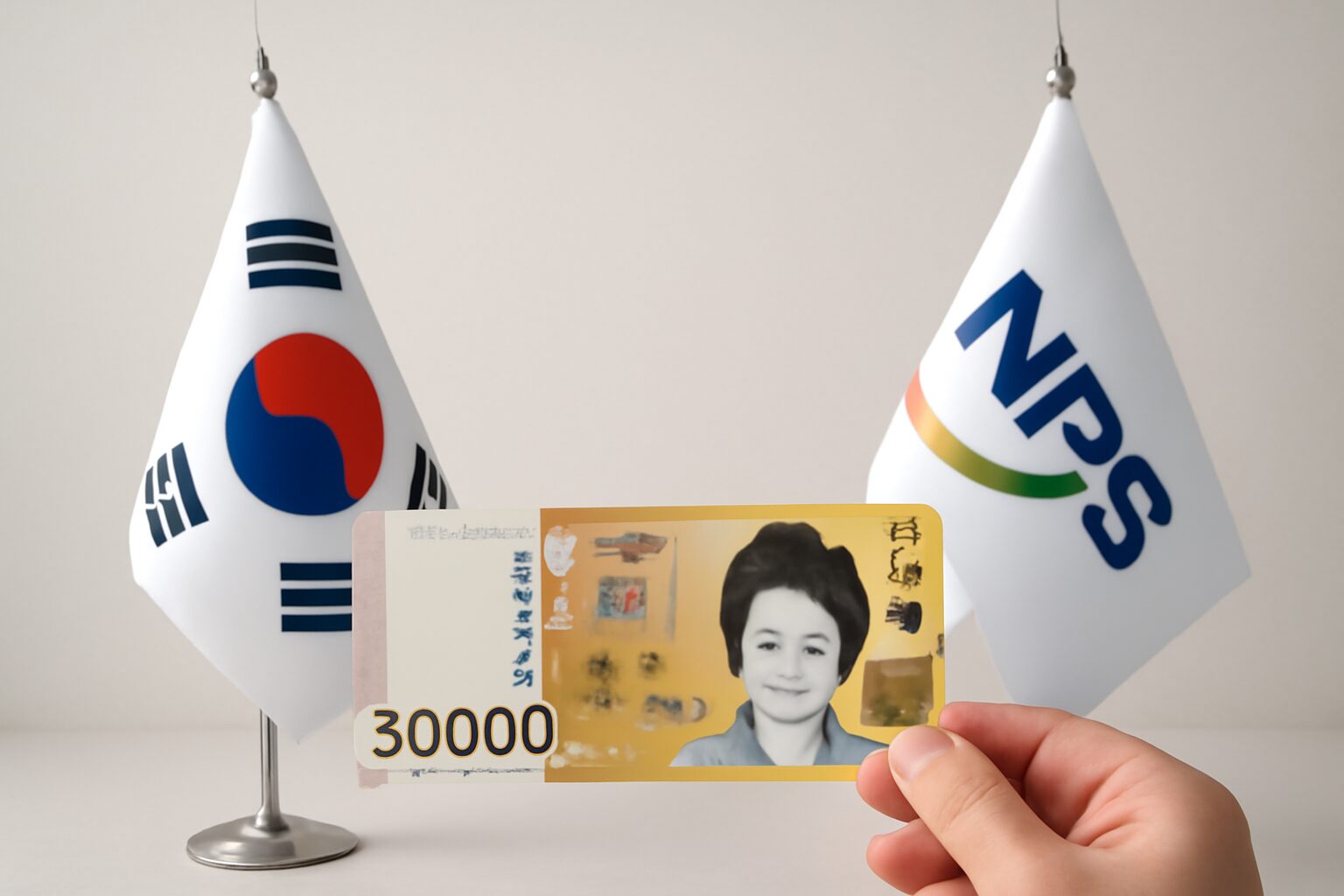
South Korea has taken another decisive step to safeguard financial stability by extending the currency swap agreement between the Bank of Korea and the National Pension Service for an additional year through the end of 2026 This move reflects the government’s continued efforts to manage volatility in the foreign exchange market amid persistent global uncertainties and sustained pressure on the Korean won The agreement plays a crucial role in easing demand for foreign currency while supporting one of the world’s largest pension funds in managing its overseas investments As currency fluctuations remain a major concern for policymakers businesses and investors the extension underscores South Korea’s commitment to maintaining market confidence and economic resilience
Understanding The Currency Swap Arrangement
The currency swap agreement allows the National Pension Service to exchange Korean won for US dollars directly with the central bank rather than sourcing foreign currency from the open market This mechanism helps reduce sudden spikes in dollar demand that could weaken the won or disrupt foreign exchange liquidity The arrangement was first introduced in 2022 during a period of heightened currency volatility and has since evolved into a key policy tool as overseas investments by domestic institutions have expanded
Over time the size of the swap facility has increased significantly reflecting both the growing scale of foreign investments by the pension fund and the need for stronger buffers against market instability By providing access to foreign currency through official channels the central bank ensures that large institutional transactions do not amplify exchange rate fluctuations This approach aligns financial market stability with long term investment objectives
Why The Extension Is Significant?
The decision to extend the agreement through 2026 comes at a time when the Korean won remains under pressure against major global currencies particularly the US dollar A weaker won raises import costs fuels inflation and complicates monetary policy decisions while also increasing uncertainty for businesses engaged in international trade The extension signals that authorities are prepared to maintain supportive measures as long as currency risks persist
Beyond its practical function the agreement serves as a psychological stabilizer for financial markets It reassures investors that policymakers have the tools and willingness to intervene if volatility becomes excessive This confidence effect is often as important as direct intervention especially in times of global financial stress when market sentiment can shift rapidly
Economic Context Behind The Decision
South Korea’s economy is highly integrated into global markets with strong dependence on exports energy imports and international capital flows As domestic institutional investors increase their overseas exposure the demand for foreign currency naturally rises This structural trend has contributed to sustained pressure on the won independent of short term market movements
The central bank has emphasized that exchange rate weakness is not solely driven by domestic liquidity conditions but by broader factors including global interest rate differentials foreign investment trends and corporate behavior regarding foreign currency holdings Property market dynamics and accumulated liquidity have also played a role in shaping financial conditions These complexities highlight the importance of targeted tools such as the currency swap arrangement which address specific sources of market stress without disrupting broader economic policy
Coordination Between Institutions
A key feature of South Korea’s approach is close coordination among the central bank the finance ministry the welfare ministry and the National Pension Service By aligning strategies and sharing information authorities aim to respond quickly to changes in foreign exchange supply and demand The decision to maintain the pension fund’s foreign exchange hedging ratio at a controlled level through 2026 reflects this coordinated stance
Such collaboration ensures that the pension fund can pursue long term returns while minimizing unintended consequences for currency markets It also allows policymakers to monitor risks more effectively and adjust measures as needed rather than relying on reactive interventions
Market Reaction And Investor Sentiment
Financial markets responded positively to the announcement of the extension with the won showing signs of stabilization This reaction illustrates how policy clarity and continuity can influence currency movements even without immediate use of the swap facility Traders and investors often interpret such measures as evidence of strong institutional support which can deter speculative pressure
For institutional investors the extension reduces uncertainty around foreign currency funding and improves planning for overseas asset allocation It also supports liquidity conditions during periods of heightened volatility such as global monetary tightening cycles geopolitical tensions or sudden shifts in risk appetite
Implications For Monetary Policy
The currency swap agreement complements the Bank of Korea’s broader monetary policy framework As the central bank balances inflation control with economic growth considerations having additional tools to manage currency volatility provides valuable flexibility It allows interest rate decisions to focus more on domestic economic conditions rather than reacting solely to exchange rate movements
By reducing the need for aggressive market intervention the swap arrangement helps preserve foreign exchange reserves and enhances policy credibility Over time this balanced approach contributes to greater predictability and stability in financial markets which benefits households businesses and investors alike
Broader Perspective On Currency Stability
Currency swap mechanisms have become an essential part of modern financial policy frameworks worldwide They gained prominence after global financial crises highlighted the importance of liquidity access and coordinated responses In South Korea’s case the domestic swap agreement with its national pension fund represents a tailored solution that addresses unique structural characteristics of its economy
While such arrangements are not a permanent fix for underlying economic challenges they play an important role in smoothing adjustment processes and preventing excessive volatility As global financial conditions remain uncertain similar tools are likely to remain relevant in the years ahead
Challenges And Considerations
Despite its benefits the currency swap agreement is not without limitations It does not eliminate the fundamental drivers of exchange rate movements such as interest rate differentials trade balances or long term capital flows Policymakers must therefore continue to pursue broader structural reforms and sound macroeconomic management to ensure sustainable currency stability
There is also a need for careful monitoring to ensure that reliance on swap facilities does not create complacency or distort market signals Transparency discipline and prudent risk management remain essential to maintaining credibility and effectiveness
Conclusion
The extension of the currency swap agreement between the Bank of Korea and the National Pension Service through 2026 reflects a strategic and measured response to ongoing foreign exchange challenges By supporting institutional investment needs while stabilizing currency markets the agreement strengthens financial resilience and reinforces market confidence As South Korea navigates an increasingly complex global economic environment this coordinated approach demonstrates how targeted policy tools can complement broader monetary and fiscal strategies The success of the arrangement will ultimately depend on continued cooperation disciplined implementation and adaptability to evolving market conditions