
Introduction
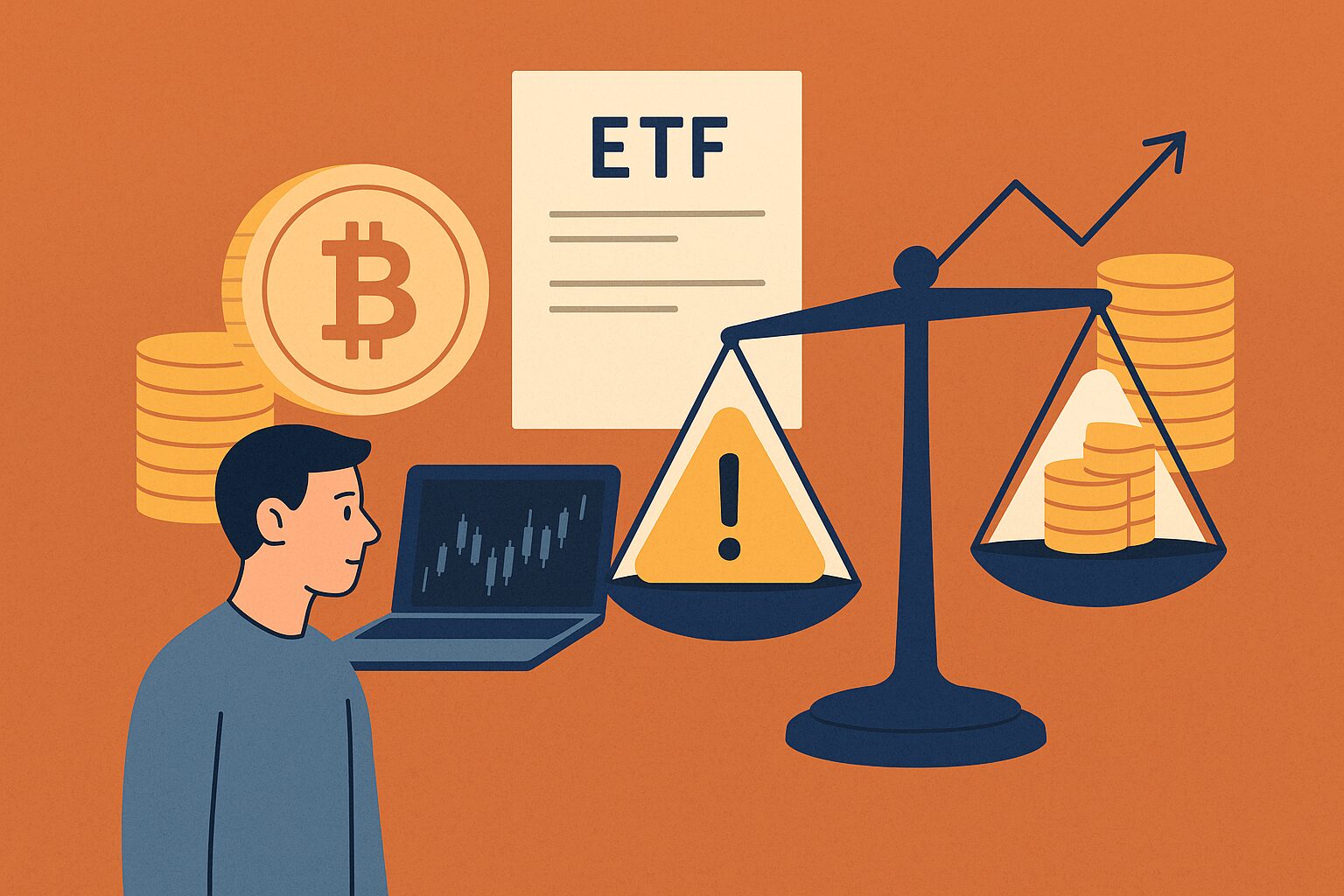
In the past few years, a significant trend has surfaced in the world of investing. New investors—those with less than five years of experience—are increasingly gravitating toward cryptocurrencies rather than traditional exchange-traded funds (ETFs). Surveys show that a large share of these individuals hold crypto assets, while far fewer have invested in ETFs. The appeal of digital currencies is clear: they are exciting, easily accessible, and promoted across social media platforms. However, experts warn that while cryptocurrencies may offer outsized returns, they also expose investors to dramatic risks.
This article explores why crypto has become the preferred choice for many new investors, the potential consequences of such a decision, the enduring strengths of ETFs, expert advice on how to balance the two, and actionable strategies for building portfolios that can withstand volatility and foster long-term growth.
The Lure Of Cryptocurrency For New Investors
Accessibility and Simplicity
One of the strongest attractions of cryptocurrency is accessibility. Digital assets can be purchased in minutes through mobile apps and exchanges that are designed to be intuitive for beginners. The process is often faster and less intimidating than opening a brokerage account for ETFs or mutual funds. Low entry thresholds also mean that someone can begin investing with just a few dollars. This convenience has lowered the barriers for many younger investors who prefer quick and simple experiences.
Influence of Social Media
Social media plays a huge role in shaping perceptions about cryptocurrency. Communities on platforms like TikTok, Reddit, and Twitter are full of stories of individuals making extraordinary profits from crypto investments. Viral content glamorizes the idea of fast wealth, portraying crypto as an exciting path that traditional investments cannot match. Many newer investors admit that they make decisions based on what they see online rather than through traditional financial research. This creates a culture of hype where the fear of missing out can lead to impulsive decisions.
The Lottery Ticket Mindset
To many newcomers, cryptocurrency feels like the financial opportunity their parents never had. It is perceived as a modern lottery ticket—something that could change one’s financial future overnight. This dream of striking it rich fuels interest, even though the reality is that most investors face steep volatility and, at times, significant losses.
Regret Among Beginners
Although the promise of fast gains draws people in, regret often follows. Nearly half of new investors acknowledge that they regret their early investment choices, frequently pointing to crypto as the culprit. Common reasons include poor timing, lack of knowledge, emotional trading, and in some cases falling victim to scams. This highlights the dangers of investing without adequate preparation or risk management.
Understanding ETFs And Their Advantages
What Are ETFs?
An exchange-traded fund, or ETF, is a type of investment fund that holds a basket of assets such as stocks or bonds. ETFs trade on stock exchanges, offering investors a way to gain exposure to multiple securities at once. For example, an ETF tracking the S&P 500 allows investors to effectively own small portions of 500 large companies in a single purchase.
Historical Performance
ETFs have historically delivered steady and reliable returns. Broad market ETFs often average around 10 percent annual growth over the long term. While they lack the explosive short-term potential of crypto, they offer stability and compounding benefits that support long-term wealth creation.
Diversification and Transparency
The greatest strength of ETFs lies in diversification. By spreading investments across many companies or sectors, ETFs reduce exposure to the failure of any single asset. They are also highly transparent, with holdings publicly disclosed and regulated under established financial laws. This makes them far less vulnerable to manipulation or fraud compared to many crypto projects.
Lower Risk Compared to Crypto
While ETFs are not risk-free—they can decline during market downturns—the likelihood of losing everything overnight is minimal. By contrast, cryptocurrencies can fluctuate by 30 percent or more within a single day, and there is the ever-present risk of scams, lost passwords, or failing exchanges. For cautious investors, ETFs provide a safer, more predictable vehicle for long-term growth.
Expert Advice On Balancing Risk
Crypto as a Venture Bet
Financial experts caution that crypto should not serve as the foundation of an investment plan. Instead, it should be treated as a venture bet—similar to gambling with money you can afford to lose. While small allocations may provide exposure to potential growth, heavy reliance on crypto leaves investors vulnerable to devastating losses.
ETFs as the Foundation
ETFs are better suited as the cornerstone of a portfolio. They provide a solid base of diversified, long-term growth. Building wealth steadily through ETFs ensures that even if speculative investments like crypto collapse, financial stability remains intact.
Recommended Allocation
A common guideline is to limit crypto to 5 to 10 percent of a portfolio, while the rest remains in diversified ETFs. This strategy allows investors to participate in the upside of crypto while minimizing the risk of catastrophic loss.
Awareness and Education
Experts stress the importance of education. New investors should learn how markets function, understand risk tolerance, and avoid relying solely on social media advice. Knowledge helps create discipline, which is critical for resisting hype cycles and emotional trading.
Practical Strategies For Newer Investors
Start With Education
The first step is to build financial literacy. Learn the basics of market dynamics, diversification, and compound growth. Read credible financial resources, attend webinars, and use educational tools provided by brokerages.
Build a Core Portfolio
Establish a strong foundation with ETFs that track major indexes or diversified sectors. Focus on low-cost funds with proven performance. Dollar-cost averaging—investing a fixed amount at regular intervals—helps reduce timing risk and builds discipline.
Add Crypto Cautiously
If desired, allocate only a small fraction of your portfolio to cryptocurrencies. Set strict limits on how much you are willing to risk and avoid increasing your position based on emotions or short-term trends.
Use Secure Platforms
Choose well-established and regulated exchanges for crypto transactions. Enable two-factor authentication, store assets in secure wallets, and avoid platforms that promise guaranteed returns or sound too good to be true.
Rebalance Regularly
As investments grow or shrink, review your portfolio periodically. If crypto grows beyond your intended allocation, consider selling a portion and reinvesting in ETFs to maintain balance.
Seek Professional Guidance
For those who feel uncertain, consulting a certified financial advisor can be valuable. Advisors can provide tailored recommendations based on individual goals, timelines, and risk tolerance.
Conclusion
The shift among new investors toward cryptocurrency highlights the appeal of fast opportunities and digital culture. Social media hype, easy access, and the dream of quick profits make crypto seem like the investment of choice. Yet, this enthusiasm is tempered by high volatility, scams, and regret among those who entered without preparation.
Exchange-traded funds continue to prove their worth as a reliable, transparent, and stable vehicle for long-term investing. By building a strong ETF foundation and limiting crypto exposure to a speculative side bet, investors can strike a balance between excitement and safety.